Unlocking the real potential of AI through organizational enablement
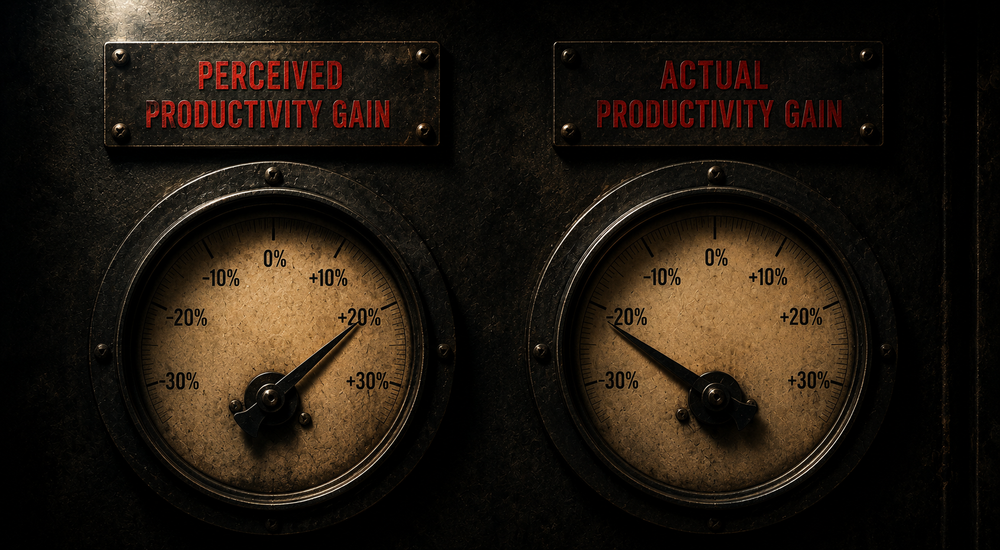
If you have been doing any reading at all on AI pilots these days, you'll notice a common theme, the high failure rates, some of which are true failures, but many of which are simply underwhelming events that did not create the sort of transformation that is possible using AI technologies.
Over the last several months, I've had the pleasure of working with the team from a large holding company, and their large automotive client, where we have implemented AI supportive structures inside the organization, and even extending into the client organization, as a way of enabling greater AI transformation. The idea is quite simple: organizations are actually fairly rigid, and if you believe that AI has the potential to transform the way you do business, then the implication is that the AI must overcome the rigidity of your organization. Instead, what we have shown in this recent implementation with our client is that reducing organizational rigidity first yields amazing results when compared to not doing it.
AI tools enable unbundling, recombining, disintermediating, and optimizing
AI isn't just a tool. It's a pressure force — one that quietly reshapes how work happens, who does it, and where value lives. It changes the nature of roles within teams. It unbundles long-standing services and processes. It compresses timelines and exposes inefficiencies. And in doing so, it creates a new imperative: to reintegrate across the value chain, especially between organizations that historically worked at arm's length — like clients and agencies, or internal silos.
But here's the catch: most organizations try to drop AI into legacy structures. They expect transformation without changing what holds the work together. That's where Structure-First AI comes in.
Structure-First AI is about enabling change
Structure-First AI isn't a toolset or a process. It's a recognition that the conditions for AI to succeed must be deliberately created. That means rethinking how teams are formed, how decisions get made, and how collaboration happens across traditional boundaries.
Without structural enablement, AI gets routed through the same bottlenecks and bureaucracy that made things slow in the first place. With it, AI becomes a lever — not just for speed, but for real reconfiguration.
If AI promises new ways of working, structure is what makes those ways possible. Structure-First AI asks:
- Are your teams empowered to adapt?
- Have you released rigid workflows that no longer serve the work?
- Have you opened the door to new ways of interacting across the value chain?
If not, then you haven't enabled AI. You've just installed it.